
Emergency Preparedness with these 5 Key Documents to Have on Hand.\ \ In any emergency, having the right documents readily available can make all the difference in ensuring your safety, protecting your assets, and facilitating necessary decisions.
Whether you\’re dealing with a natural disaster, medical emergency, or sudden evacuation, being prepared with a set of crucial documents can help reduce stress and make the process smoother. Below are five key documents you should have on hand as part of your emergency preparedness plan.
1. Identification Documents
2. Insurance Policies and Emergency Contacts
3. Medical and Health Information
4. Financial Documents
5. Legal Documents
1.\ Identification Documents
In an emergency, having valid identification can help authorities and service providers confirm your identity, access necessary services, and assist with evacuation or sheltering arrangements.
Common identification documents to keep accessible include:
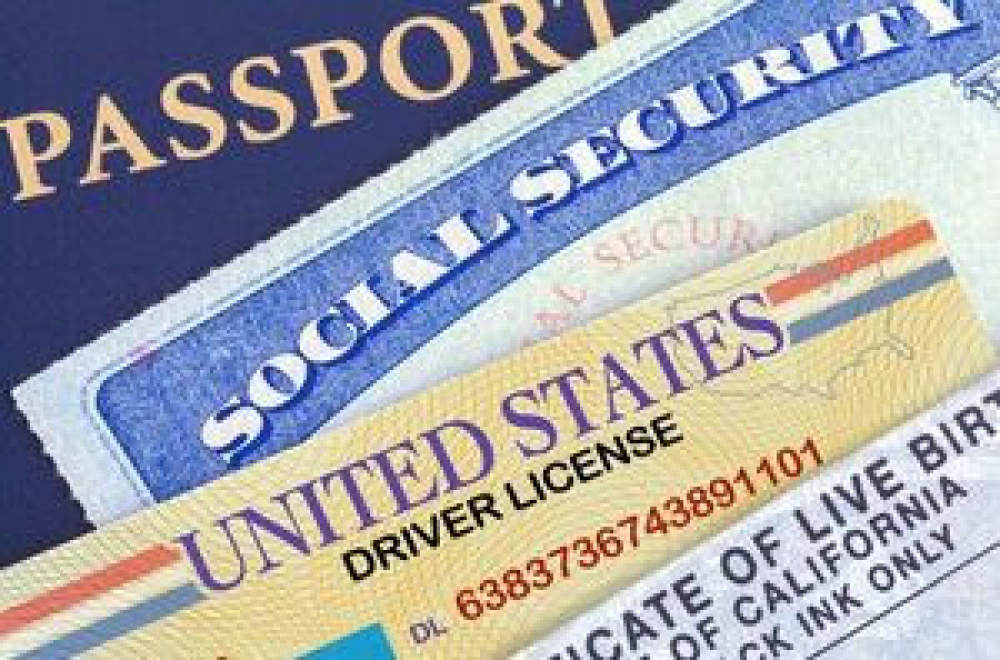
- Passport\ or\ Driver\’s License: Both serve as proof of identity and citizenship, which may be necessary for evacuation or crossing borders.
- Social Security Card: This helps with verification of your social security number, which may be needed for financial matters or government assistance.
- Birth Certificates: In case of family separation or for insurance claims, having birth certificates on hand can be essential.
Keep these documents in a\ fireproof, waterproof container\ or digital copies in a secure cloud storage to ensure they\’re safe and easy to access during an emergency.
\
2.\ Insurance Policies and Emergency Contacts
Your insurance information is crucial in handling emergencies such as natural disasters, accidents, or medical emergencies.\
Ensure that you have access to your:
- Health Insurance Cards: These are important for emergency medical care and hospital visits.
- Homeowner\’s or Renter\’s Insurance Policies: In case of property damage or displacement, having a copy of your insurance policy will be needed for claims.
- Car Insurance Documents: If your vehicle is involved in an accident or damaged, you\’ll need your car insurance details to file a claim.
- Life Insurance Policies: These are important for your family and loved ones in case of death or injury, so make sure they are readily available.
- Emergency Contacts: A list of trusted family members, friends, or neighbors who can be contacted during an emergency. Include phone numbers, email addresses, and physical addresses.
Store these documents in both physical and digital formats to ensure accessibility no matter where you are.
3.\ Medical and Health Information
During emergencies, having quick access to medical history and healthcare information can ensure that you receive the right treatment and care.\
Key documents include:
- Medical Records: Keep a record of your family\’s medical history, including past illnesses, surgeries, and ongoing treatments.
- Prescriptions: A list of prescription medications, dosage instructions, and the contact information for your prescribing doctor.
- Immunization Records: These are especially important for children, and may be required in certain situations like school registration or travel.
- Advance Directives and Power of Attorney: These legal documents outline your wishes regarding medical care, should you become incapacitated, and designate someone to make decisions on your behalf.
Make sure that medical information is kept in a secure and accessible location. You might want to keep digital copies in a health app or secure online storage for ease of access.
4.\ Financial Documents
When facing an emergency, having access to your financial records will help you manage unexpected expenses or navigate financial challenges.\
Important documents to keep handy include:
- Bank Account Information: This includes account numbers, routing numbers, and any other relevant banking details needed to access your funds or pay bills.
- Credit and Debit Cards: Keep copies of your cards (or know the account numbers) to quickly report lost or stolen cards and gain access to funds.
- Tax Returns: Having recent tax returns on hand can help verify your income, especially when applying for government assistance or loans.
- Retirement Account Details: Information about 401(k)s, IRAs, or pension plans could be vital for accessing funds in an emergency.
Storing these documents in a secure, easily accessible location, such as a safe or a secure cloud service, will give you peace of mind if financial decisions are needed quickly.
5.\ Legal Documents
Legal documents are essential in ensuring that your rights are protected, and they can be necessary to resolve any disputes or situations that arise during or after an emergency.
These include:
- Wills and Trusts: These documents outline how your estate should be managed in case of death or incapacitation. Having them accessible ensures that your wishes are carried out.
- Property Deeds and Rental Agreements: Keep documentation related to ownership of your property or the terms of your rental agreement, especially if you need to relocate or make claims due to property damage.
- Marriage Certificate and Divorce Papers: In case of family-related issues during an emergency, these documents can clarify legal relationships.
- Power of Attorney: If you\’re unable to make decisions due to an emergency, this legal document designates someone to act on your behalf, whether for healthcare or financial matters.
Keep these documents in a safe, secure location, and ensure trusted individuals are aware of where to find them in case of an emergency.