
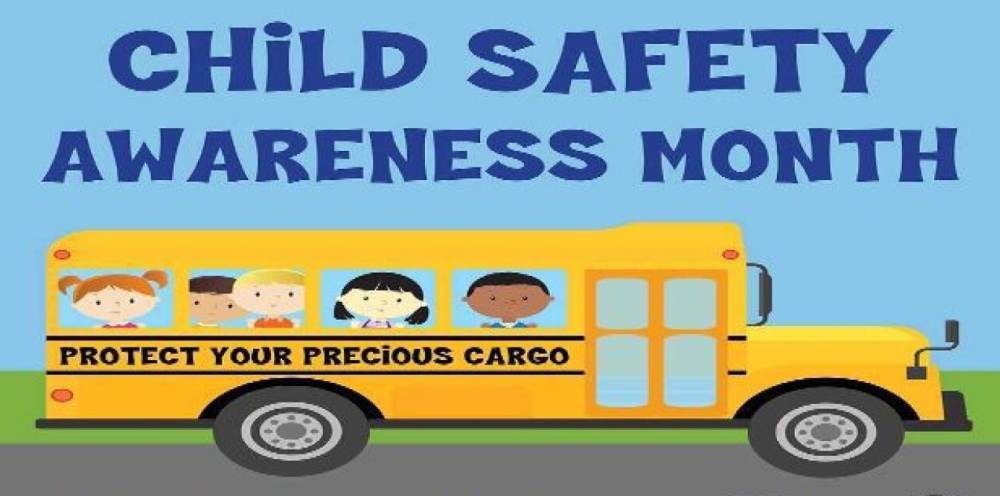
Child Safety Awareness Month is recognized during different months depending on the specific focus, but it most prominently refers to August as a back-to-school traffic and road safety campaign or November as National Child Safety and Protection Month for general household and emergency safety.
Key Monthly Observances
- August (Child Safety Awareness Month): Heavily tied to the back-to-school season. State law enforcement agencies, like the Florida Highway Safety and Motor Vehicles (FLHSMV), lead campaigns to educate drivers on school zone speed limits, school bus traffic laws, and proper car seat installations.
- November (National Child Safety and Protection Month): Focuses broadly on everyday dangers that children face. This period encourages families to review emergency preparedness plans, fire safety, and childproofing techniques.
- April (Child Abuse Prevention Month): Dedicated to raising awareness about preventing child abuse and neglect. It is widely recognized by its signature symbol: the blue pinwheel.
- September (Baby Safety Month): Sponsored by the Juvenile Products Manufacturers Association (JPMA) to educate parents on safe sleep environments, crib placement, and product safety for infants.
Core Areas of Child Safety
Road \& Vehicle Safety
Drivers and parents should stay hyper-vigilant during back-to-school seasons:
- Know Your Zone: Obey flashing yellow lights and lower speed limits in designated school zones.
- Bus Etiquette: Never pass a school bus when its red lights are flashing and the stop arm is extended.
- Car Seats: Ensure car seats and boosters match the child\’s age, weight, and height, and are installed tightly.
Household Childproofing
According to organizations like Safe Kids Worldwide, simple home modifications prevent major injuries:
- Anchor Furniture: Secure heavy dressers, bookshelves, and televisions to the wall using anti-tip straps to prevent crushing accidents.
- Water Temperature: Set your water heater to 120\°F (48\°C) to avoid severe accidental scald burns.
- Lock Chemicals: Store medications, laundry pods, and cleaning supplies on high shelves or in locked cabinets.
- Choking Prevention: Keep small objects like coins, buttons, batteries, and latex balloons completely out of reach.
Emergency Preparedness
Teaching actionable survival skills early prepares children for unexpected crises:
- Fire Drills: Map out a family escape route with two exits per room and practice it twice a year.
- Alarms: Install working smoke and carbon monoxide detectors on every level of the home and test them monthly.
- Emergency Contact: Teach children how and when to dial 911, as well as their full name and home address.