
Submitted by\ JC Knowles
The coast of North Carolina and the shipping lanes off the coast were no place for light-hearted men during World War I.\ From early April 1917 and almost 18 month later, shipping of\ men to European theater of war numbered more than two million fighting men across the Atlantic ocean. Germany figured that the best way to decrease the delivery of men was their submarine service. The Germans had built a large fleet of submarines and could travel up to 12,000 miles. For the United States, every ship and boat was used for the transporting of troops to Europe. The ships available for guarding against submarine attacks were small craft, Yachts and even fishing boats. These vessels were equipped with mine sweeping equipment.
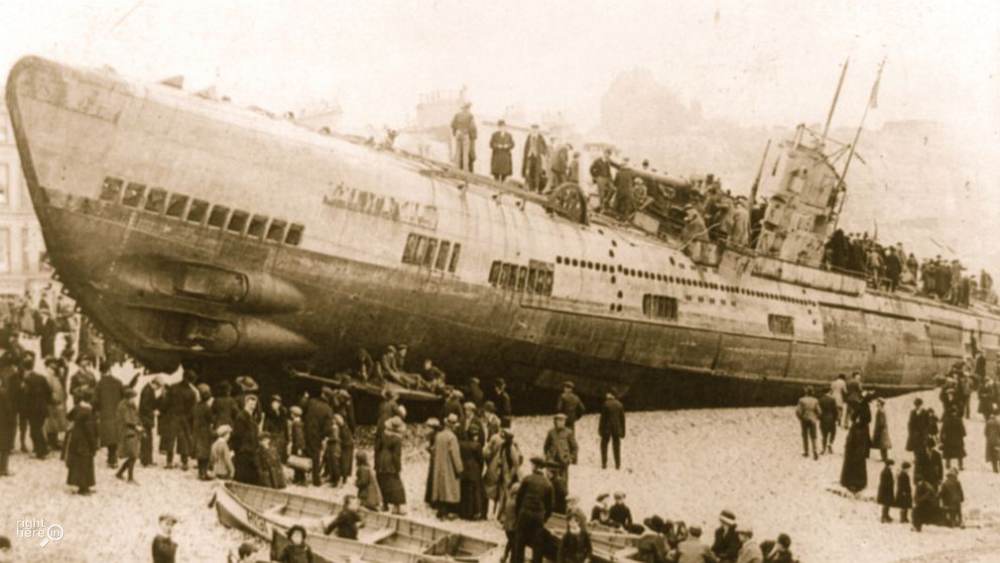
Off the coast of Virginia in April 1918, the first of the German submarines was sighted, the\ U-151,commanded by a veteran submariner Korvettenkapitian Von Nostitz. This sub\'s first orders were to lay mines across the entrance of Chesapeake Bay, and following up the coast north to New York Harbor. By early June the sub had encountered a huge success in destroying property and lives. Their first victory was theHarpathian,\ which was hit and sunk, before the crew of the\ Harpathian\ realized there were German sub in the area.
But this was just the beginning. During a three-month period more than seven German submarines patrolled the waters off the Carolina coast. The total number of vessels destroyed by the U-boats numbered nine off the Carolina coast, alone. According to the records of the nine vessels, no lives were lost in the sinkings.
Another story for another time is the German U-boats patrolling the North Carolina coastal waters during World War II.