
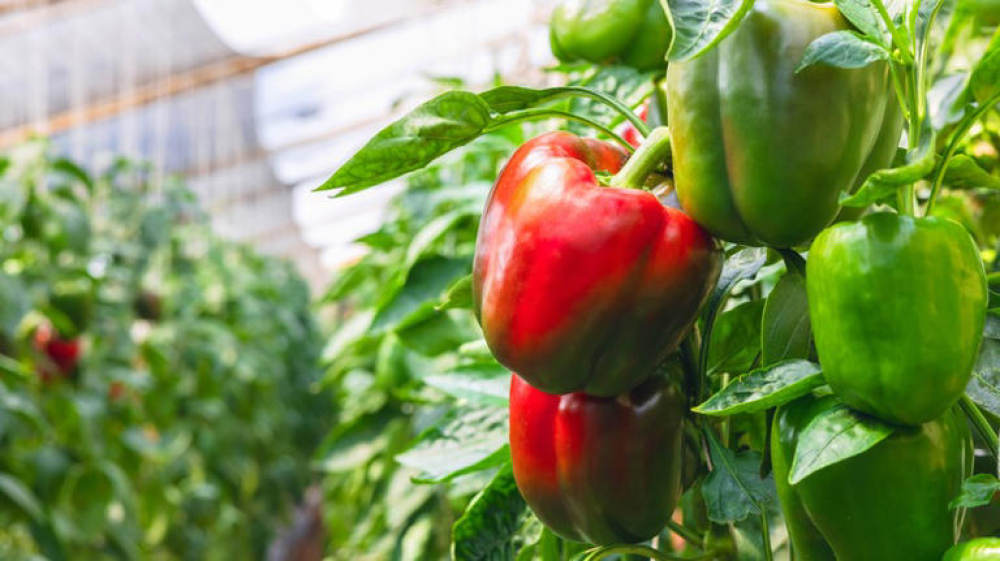
While squeezing those pepper plants just anywhere into your garden may be tempting, you probably shouldn\'t. Unfortunately, peppers won\'t grow everywhere, and they actually require highly organic soil that drains well and has adequate light. Pepper plants need full sun to produce crisp, juicy, large, and even spicy peppers. Use this tip to plant your peppers in full sun; you\'ll get the most out of your plants this summer.
Full sun is typically between 6 and 8 hours of sunlight per day. While peppers can tolerate partial shade, they don\'t do well in full shade. Pepper plants in full shade will struggle, grow slowly, and produce lackluster harvests.\
Read more:\ Does Watering On A Sunny Day Really Burn Your Plants?
While most peppers need full sun and don\'t tolerate full shade, they do need some shade as a relief from the intense UV rays of the sun. Aside from stunting and damaging the plant, sunscalding (overexposure to sun) can stress the plant and weaken its immune system, making it\ susceptible to pathogens. Sunscalding can also cause peppers to look leathery and develop sunken areas. Providing an area that receives some shade or using a shade cloth is the best way to manage this.
Pepper plants are sensitive to cold and hot weather. For many peppers, when temperatures fall below 60 degrees Fahrenheit or get above 90 degrees Fahrenheit, you\'ll get very little and oddly shaped fruit. The optimal temperature for bell peppers, serranos, and cayennes is between 70 and 80 degrees Fahrenheit during the day and between 65 and 70 degrees Fahrenheit at night. However, some hot peppers love the heat, including jalapenos, green chiles, habaneros, and other types of hot peppers.\
The best way to increase pepper plant growth is to ensure they receive at least 6 to 8 hours of sunlight a day, provide some relief from the sun, whether\ with natural shade or a shade cloth, and plant in well-draining, fertile soil. If your soil is fertile and high in nutrients, it\'ll be\ loose and fluffy with large granules. You can either use an all-purpose fertilizer or one specifically for peppers. The Peppers Alive! fertilizer is available at\ Gurney\'s\ for around $16. This pepper-specific formula is a slow-release fertilizer that promotes higher fruit yields in your garden. When your plant begins to grow, you\'ll want to pinch off flowers to encourage a more robust plant. As it grows and produces peppers, pick peppers immediately after they ripen. Picking peppers helps produce more. Plant your peppers in a sunny area and get the most out of your pepper plants this year.
Read the\ original article on House Digest.