
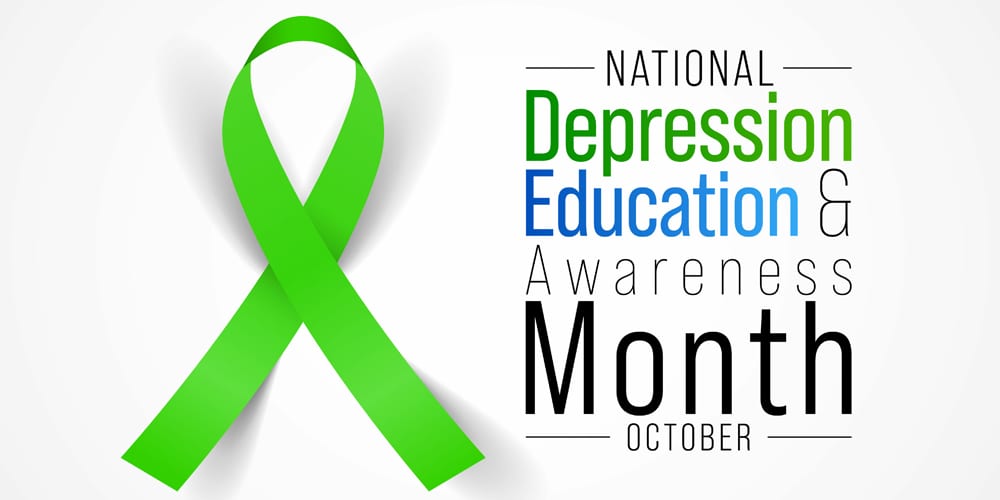
National Depression and Mental Health Screening Month takes place every October to raise awareness about the signs of depression, combat the stigma surrounding psychiatric care, and promote the vital role of early intervention.
While the broader "Mental Health Awareness Month" takes place in May, the specific focus in October is on screening and actionable early detection. Because depression and anxiety affect nearly 1 in 5 U.S. adults each year, routine medical checkups increasingly incorporate these assessments to catch concerns before they escalate into crisis.
Key Dates & Anchor Events
October is packed with intersecting mental health campaigns that emphasize education and community support:
- Mental Illness Awareness Week: Observed during the first full week of October, a campaign originally established by the National Alliance on Mental Illness (NAMI) to educate the public on complex mental health disorders.
- National Depression Screening Day (October 10): A specific day dedicated to providing free, confidential, and low-cost health assessments across community centers and clinics.
- World Mental Health Day (October 10): Hosted globally by the World Federation for Mental Health and the World Health Organization, focusing on international advocacy and structural topics like workplace mental well-being.
Why Screening Matters
A mental health screening is not an official diagnosis. Instead, think of it like a blood pressure reading for your emotional well-being—a quick, preliminary check to see if further medical attention is warranted.
- Identifies Hidden Signs: Screenings catch symptoms like chronic fatigue, changes in sleep, brain fog, and a loss of interest in hobbies (anhedonia) that people often mistake for standard burnout.
- Reduces Clinical Stigma: Normalizing these tests as part of annual physicals treats mental health exactly like physical health.
- Improves Long-Term Outcomes: Catching depressive disorders early allows for gentler, highly effective initial interventions—like talk therapy—before symptoms become severely disruptive.
Free Resources & How to Participate
If you want to take part in the month or check in on your own well-being, several concrete tools are available:
- Take a Free Self-Assessment: You can access immediate, confidential online screeners for depression, anxiety, PTSD, and other conditions via the Mental Health America Screening Tool.
- Share Educational Materials: Use ready-made resource toolkits provided by healthcare organizations like the Magellan Healthcare Hub to distribute facts across your workplace or school.
- Access Crisis Support: If you or a loved one are experiencing acute distress, the 988 Suicide & Crisis Lifeline is free, confidential, and available 24/7 by calling or texting 988.