
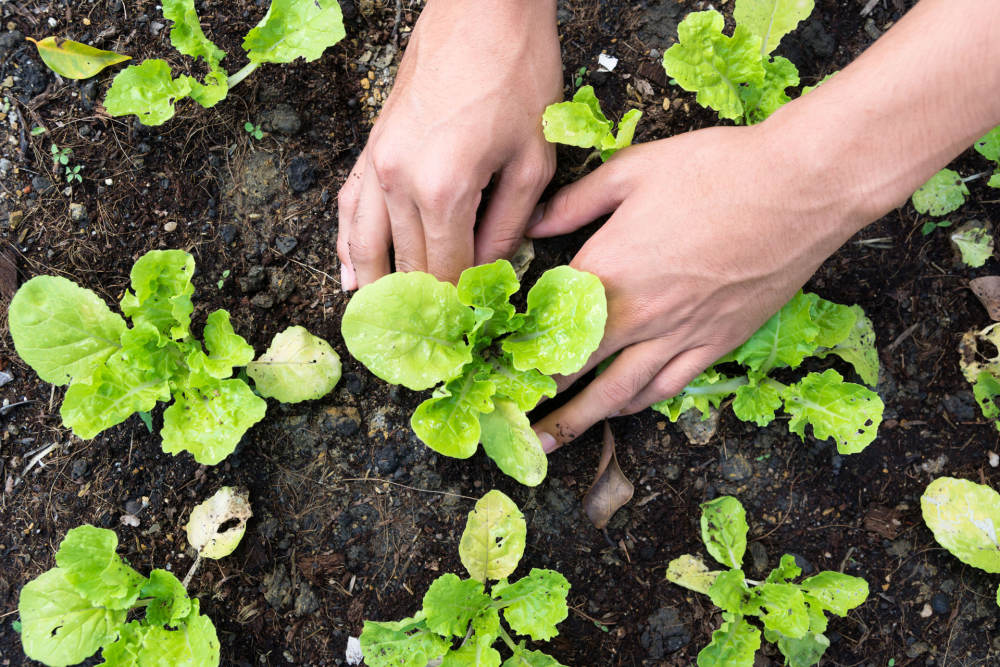
In May, gardening shifts from spring preparation into full summer production. Since the risk of frost has typically passed by mid-month, often around Mother\'s Day, it is the prime time to plant heat-loving vegetables and annual flowers.
What to Plant
May is the ideal month for transplanting or direct-seeding warm-season crops:
- Vegetables: Tomatoes, peppers, eggplants, cucumbers, squash, zucchini, melons, okra, and sweet potatoes.
- Flowers: Zinnias, sunflowers, marigolds, cosmos, dahlias, celosia, and vinca.
- Herbs: Basil, lemongrass, oregano, rosemary, and sage.\
Essential Maintenance Tasks
- Mulching: Apply 2\–3 inches of mulch to garden beds to retain moisture, regulate soil temperature, and suppress weeds.
- Pruning: Prune spring-blooming shrubs like azaleas, lilacs, rhododendrons, and forsythia immediately after their flowers fade.
- Weeding: Tackle weeds while they are small (\"thread stage\") to prevent them from establishing deep roots or dropping seeds.
- Support: Set up trellises, cages, or stakes for climbing plants like tomatoes, pole beans, and cucumbers before they grow too large.
- Fertilizing: Feed roses, annuals, and established perennials with appropriate organic or slow-release fertilizers to support vigorous summer growth.\
Regional Tips (North Carolina focus)
- Watering: In sandy coastal soils, water deeply 2\–3 times a week rather than shallowly every day to encourage deep root systems.
- Pest Control: Monitor for\ cabbage butterflies, aphids, and slugs, which are highly active this month.
- Succession Planting: Continue sowing beans, corn, and salad greens every 10\–14 days to ensure a continuous harvest into late summer.\
\